As the end of term approaches, celebrations and graduations are a wonderful opportunity to recognise children’s achievements and milestones. While these special moments often include parties and treats, they also provide a great chance to promote healthy habits in line with the Department for Education’s nutrition guidance and your setting’s healthy ethos.

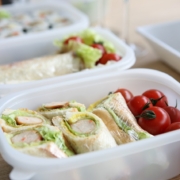
Celebrations don’t need to centre around sugary foods to be enjoyable. Instead, consider offering a range of healthier options such as fresh fruit platters, vegetables sticks with dips, homemade pizzas or sandwiches. This is also a perfect opportunity to bring your Startwell characters to life, linking activities, stories, or themed snacks to reinforce key messages around healthy eating and wellbeing in a fun and engaging way.

Alongside food, incorporating opportunities for movement can make celebrations even more memorable. Active Azra party games, 180 Katie dancing, and outdoor play not only add to the excitement but also support children’s physical development and wellbeing. By combining healthy food choices with active fun, settings can create meaningful celebrations that are both enjoyable and support the healthy routines already in place.

Meeting the Latetst DfE EYFS Nutrition Guidance

The updated DfE Early Years Foundation Stage (EYFS) nutrition guidance places a strong emphasis on providing balanced, nutritious, and age-appropriate meals that support children’s growth, development, and lifelong healthy habits. For many settings, tea time (afternoon/evening meal) can be the most challenging meal to cater for — but with a little planning, it can become a rich opportunity to meet guidance while keeping children engaged and satisfied.

What Does a Balanced Tea Look Like?

A well-balanced tea should include:

  • A starchy food such as bread, wraps, pitta, rice, pasta, potatoes, or couscous
  • A protein source such as beans, pulses, fish, eggs, meat, or other non-dairy proteins
  • At least one fruit or vegetable
  • A dairy food or dairy alternative, such as milk, yoghurt, or cheese
  • Water or milk to drink

Remember, tea should consist of two courses – a main dish served alongside a starter, side, or nutritious second course.

Below are practical, child-friendly tea ideas and tips to help your provision align with the latest expectations.

Wrap & Roll Station

Tortilla wraps cut into smaller portions. You can use fillings such as:

  • Chicken and salad
  • Hummus and grated carrot
  • Tuna and cucumber/sweetcorn
  • Egg mayonnaise

Baked beans or Scrambled Egg or Tinned Sardines on Toast

  • White, wholemeal or 50:50 bread toasted
  • Topped with baked beans or scrambled egg or sardines
  • Served with a selection of vegetable sticks or fruit

Cous cous or Pasta Salad

  • Cous cous or pasta
  • Chick peas
  • Chopped cucumbers, peppers, tomatoes,
  • Plain yoghurt

Crackers, Hummus and Fruit

  • Plain crackers or plain rice cakes
  • Hummus
  • Fruit

Mini Vegetable Pasta Bowls

  • Pasta with tomato and lentil sauce
  • Finely chopped vegetables (carrots, courgettes, peppers)
  • Sprinkle of cheese

In hot weather, this could be switched to a vegetable pasta salad bowl

Home-made Savoury Muffins and Crudités

  • Cheese and vegetable muffins (homemade)
  • Served with vegetable sticks or fruit sticks

Homemade Mini Pizzas

  • Wholemeal pitta bases
  • Tomato sauce with red lentils, cheese, and vegetable toppings
  • Optional lean protein (chicken, beans)

A healthier alternative to processed pizza, with a familiar appeal.

Mild Chicken or Lentil Curry with Rice

  • Packed with vegetables
  • Chicken or lentils
  • Served with brown or white rice

Baked Potato Bar

Half baked potatoes with fillings such as:

  • Baked beans (reduced sugar/salt)
  • Tuna and sweetcorn
  • Soft cheese, hummus and grated vegetables
  • Meat or vegetable and bean chilli
  • Tinned sardines in tomato sauce with vegetable sticks

Encourages independence by allowing children to choose toppings.

Smart Second Courses

Second courses should add nutritional value rather than sugar.

Good choices include

  • Fruit salad
  • Plain unsweetened yogurt with or without fruit
  • Baked apples or pears

What to Limit

  • Processed meats such as sausages and nuggets
  • High-salt convenience foods
  • Sugary desserts

Supporting Positive Food Habits

Tea time is about more than nutrition. It is an important learning opportunity where children can develop social skills, independence, and confidence around food.

Encourage Children To:

  • Serve themselves where safe and appropriate
  • Make simple choices about fillings and toppings
  • Explore new foods without pressure


Adults Can:

  • Sit and eat with children where possible
  • Model positive eating behaviours
  • Use mealtimes for conversation and language development
  • Focus on food exploration rather than encouraging children to “clean their plate”

Creating a relaxed and enjoyable atmosphere helps children build a healthy relationship with food.

Example Weekly Tea Menu

Monday: Cheesy Beans on Toast

  • Starchy food: Toast
  • Protein: Baked beans
  • Dairy: Grated cheese
  • Fruit/Vegetable: Vegetable sticks

Tuesday: Couscous or Pasta Salad

  • Starchy food: Couscous or pasta
  • Protein: Chickpeas
  • Fruit/Vegetable: Cucumber, peppers and tomatoes
  • Dairy: Plain unsweetened yoghurt

Wednesday: Homemade Mini Pizza

  • Starchy food: Wholemeal pitta or wrap base
  • Protein: Red lentils in tomato sauce
  • Dairy: Grated cheese
  • Fruit/Vegetable: Vegetable toppings
  • Second course: Fruit

Thursday: Crackers and Hummus Plate

  • Starchy food: Crackers
  • Protein: Hummus
  • Dairy: Plain unsweetened yoghurt
  • Fruit/Vegetable: Vegetable or fruit sticks

Friday: Cheese and Vegetable Muffins

  • Starchy food: Flour-based muffin
  • Protein: Egg
  • Dairy: Cheese
  • Fruit/Vegetable: Vegetable sticks

By offering balanced, varied, and enjoyable tea-time choices, settings can make a significant contribution to children’s health while supporting the latest EYFS nutrition recommendations and fostering positive eating habits that can last a lifetime.

You can alo see this Example Tea Menu in pdf/table form here.

Following on from our March Safer Eating blog post, where we highlighted the Early Years Foundation Stage (EYFS) safeguarding and welfare requirements in relation to safer eating, we would like to provide you with some visuals to reinforce the importance of reducing the risk of choking and ensuring children are appropriately supervised at mealtimes.

Supporting young children to develop safe eating habits is a key part of their early development. Early years settings play an important role in creating a positive and safe mealtime environment, and in modelling good practice for families to continue at home.

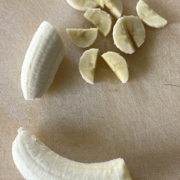
Young children are still learning how to chew, swallow, and manage different food textures. As a result, certain foods can present a choking risk if not prepared appropriately. Round foods such as whole grapes, cherry tomatoes, and blueberries should always be cut lengthways into quarters. Harder fruits and vegetables should be softened, grated, or cut into small, manageable pieces, particularly for younger children.  Bananas are commonly served slices into discs but should be served in batons.

Active supervision during mealtimes is essential. Children should always be seated while eating to help reduce the risk of choking. Practitioners should encourage children to take small bites, chew thoroughly, and eat in a calm, unhurried environment.

🍇 Grapes & Blueberries
❌ Avoid whole or halved
✅ Cut lengthways into quarters

🥕 Hard Fruits & Vegetables
❌ Raw, hard chunks
✅ Softened (steamed/cooked)
✅ Grated or finely chopped

👀 Supervision Matters
✔ Children should always be seated while eating
✔ Always supervise children closely at mealtimes
✔ Encourage small bites and thorough chewing
✔ Promote calm, unhurried eating

Key Message: By embedding these safer eating practices, early years settings can significantly reduce the risk of choking and support children in developing safe, confident eating behaviours.

For further information please refer to our March 2026 newsletter article accessible from Safer Eating in Early Years Settings – Startwell_2020

Breakfast, which literally translates as ‘breaking the fast’, is the first meal of the day and an opportunity to nourish and refuel our bodies after a night’s sleep.

Research shows that eating breakfast has positive effects on children’s concentration, supporting their morning learning, as well providing energy until their next snack or mealtime. As such, it is important that your early years setting views breakfast as equally important as other meals and snacks. Breakfast should provide about 20% of a child’s daily energy and nutrient requirements, making a significant contribution to their daily intake. If children don’t get the opportunity to eat breakfast at home, they should, wherever possible, be offered breakfast at your setting.

Startwell Guidance

Our Startwell Menu Guidelines are based on the latest Department for Education EYFS Nutrition Guidance and have been tailored to meet the needs of children in Birmingham. All settings working towards their Startwell Award must follow these guidelines:

Provide at least 1 Portion of Fruit and Vegetables

Offering fruit and/or vegetables at every eating occasion including at breakfast time is important in enabling children to eat their 5 a day.  Fruits and vegetables contain vitamins, minerals and fibre and are known as protective foods.

Fruit and vegetables can be fresh, frozen, dried* or tinned (e.g. fruit in juice, or vegetables such as tinned tomatoes).  A child’s portion is roughly equal to their handful or 40g (dried fruit is 20g).

*Dried fruit can be served as a topping for breakfast cereals but must not be served as a snack to protect children’s teeth. Whole dried fruit should not be given to children under 1 year of age and should be cut up into small pieces.

 Provide a portion of Starchy Carbohydrates

Starchy carbohydrates provide energy, fibre and B vitamins.  They are known as energy foods.

Provide at least 3 different types of starchy food and a variety of wholegrain and white starchy foods across breakfasts.  Provide wholegrain starchy foods for at least 1 breakfast.

  • Cereals – Limit sugar and salt content in breakfast cereals. Choose those with the lowest sugar and salt content which are labelled as ‘low’ (green) e.g. porridge oats, wheat bisks, shredded wheat.
  • Serve with milk.  Full fat or semi-skimmed milk for over 1’s (breast milk or formula milk for under 1’s).  For children who avoid dairy products, unsweetened and calcium-fortified alternatives can be given as the main milk drink from 1 year of age. Alternatives include soy, almond, oat, hemp or coconut milk.
  • Limit the salt content in bread and bread products. Choose those with a lower salt content which are labelled as ‘low’ (green) or ‘medium’ (amber) in salt.
  • Toast – spread thinly with vegetable margarine.  Avoid sugary toppings such as jam, marmalade, chocolate spread or honey.

Drinks

The only drinks that are recommended for children under 5 are plain milk and plain tap water.  Tap water should be available throughout the day and offered as appropriate to children. See our Hydration and Drinks page for more information.

If you have any questions on the above please contact your Startwell consultant or the Startwell team on 0121 683 2303 or email bchc.startwell@nhs.net

Latest figures for the UK show 4% of children under 5 years of age and 6-8% of under 3s were recorded as having a food allergy. As such, it is highly probable that every early years setting will have children with food allergies at some point.

For many parents, entrusting their child to someone else’s care creates anxiety, particularly when their child has a food allergy. Early years settings and food providers should work closely with families to support children with allergies or intolerances.

As part of the EYFS framework, you are required to obtain information about children’s special dietary requirements – including food allergies and intolerances – before they attend, and record and act on the information provided about children’s dietary needs. This information must be kept up to date by having ongoing conversations with parents and carers. Settings should seek medical documentation from care givers that provides evidence of the diagnosed allergy(s) and for diagnosed allergies, an Individual Healthcare Plan (IHP) should be developed in partnership with carers and healthcare professionals.

An IHP should be up to date, detail specific allergens, the child’s symptoms, preventative measures and clear instructions on what to do in the event of an allergic reaction. The British Society for Allergy and Clinical immunology (BSACI) Paediatric Allergy Plans provide standardised formats for these plans Allergy Action Plans – BSACI.

There should be a protocol in place which is accessible to all staff, to ensure everyone is aware of individual children’s allergies and symptoms.

At each mealtime and snack time a member of staff must be responsible for checking that the food being served to each child meets all their dietary requirements and is prepared in a way to prevent choking.

Understanding which allergens are present in every meal and snack you provide is an important step in providing food which is safe for children with food allergies and intolerances. Since 2014, all food businesses, including early years settings, have been required by law to give details about the allergens in the food they provide.

Collaboration between providers, families and health professionals is the best approach to managing food allergies effectively. Working with families when planning menus, inviting parents to provide allergy-safe meals/snacks and providing additional supervision at mealtimes as well as updating health care plans and when/if medical information changes or there have been near misses all help to reduce levels of anxiety and improve safety.

Settings should make use of training, resources and guidance from various reputable organisations:

There is also the Food Standards Agency’s 14 Allergens Poster which you can download here.

On the 17th April 2025 the Department of Education released guidelines on nutrition for Early Years settings. These guidelines are to help settings meet the existing requirement to ensure ‘any meal, snacks and drinks are healthy, nutritious and balanced’. The new guidance states that from ‘September 2025 there will be a new requirement in the safeguarding and welfare requirements of the EYFS that providers ‘should’ have regard to this nutrition guidance. This means providers must take this guidance into account and should follow it unless there is good reason not to.’

The guidance which is called Early Years Foundation Stage nutrition guidance provides guidance on menu planning, portion sizes, food allergies and intolerances, food bought from home, celebrations and food policies.

Startwell welcomes these new guidelines and is happy to say all our existing work supports the implementation of the guidelines. Startwell will review the new guidance against our Startwell menu guidelines to make sure they are aligned. We will also look at our food criteria in the award to make sure that it meets these guidelines.

If you are an existing Startwell setting we can work with you to make sure that your menus meet the guidelines ahead of September 2025. Click here to read the full guidance.

The quality of packed lunches brought into settings can vary widely and it can be more challenging to monitor and control these compared to cooked meals that meet the Startwell menu guidelines.

September is a great time to look at your packed lunches especially if you have had new children start in nursery.

Guidelines for healthy packed lunches are based on Startwell menu guidelines and can be found on our Healthy Packed Lunches webpage. It is important to have clear guidance for parents to follow and Startwell would suggest having a Healthy Packed Lunch Policy. We have created a template policy for you to adapt.

It is helpful to give healthy suggestions to parents by sharing the Startwell Packed Lunch Food Ideas handout. The handout splits foods into red, amber and green to help families identify what are healthy and unhealthy foods and also gives suggestions for healthy sandwich fillings. It is important that staff are aware of these food categories and that they are consistent with any food policies you have got in place.

Settings are also encouraged to implement a Drinks Policy which makes it clear that plain milk and plain tap water are the only drinks that children should be given and to prevent families from sending in sugary drinks. This policy can be downloaded from our website and edited to make it specific to your setting.

Startwell recommend completing an audit of your packed lunches so you can see if they are following your policy and how healthy they are. This tool will allow you to record the contents of a sample of your lunchboxes which you can send to the Startwell team and a Startwell nutritionist will analyse this and send you your results. We then have lunchbox tokens which will allow practitioners to promote healthy options by placing a relevant token within children’s lunchboxes to take home and share with parents.

We have created a step-by-step guide to work through which incorporates all the elements discussed above. By following this guide you should help improve the quality of children’s packed lunches – Startwell’s Guide to Promoting Healthy Packed Lunches

How to use the Startwell Characters in Startwell Recipes 

The Startwell recipes are designed to be healthy, simple in method and cooked on a budget. They are also very versatile as they can be used in various ways; they can be used with children for cooking activities in setting and at home, they can be sent home for families to try and they can even be used as part of your menus.

The Startwell Family Recipes and Startwell Cooking with Children recipes should be linked to the Startwell Characters to extend children’s learning. Please note that the serving sizes for the Family Recipes are based on adult portion sizes and not children’s portion sizes. If you are cooking with children please reduce the quantity you make so that children will be eating the correct amount in line with our Micky Me Size message.

Here are our spotlight recipes for this month and how you can link them to the characters.


Chilli

Do you have chilli on your menu or is this a recipe that your families will enjoy? Try our healthy Chilli recipe and have a go at involving children to prepare this. This gives children the opportunity to familiarise themselves with the range of ingredients and the process behind making a Chilli before it ends up on their plates! Here is how you can involve them and link in the Startwell Characters.

Sammy Skills

Here are the range of skills you can develop with the ingredients used in this recipe:

  • Sweet peppers – slice and deseed
  • Mushrooms – chopping

Fay 5 a Day

Talk about the different vegetables that will be used in this recipe:

  • Onion – could you show a white and red onion? explain that an onion has layers and peel off the top layer
  • Garlic – although this isn’t a vegetable it is still a staple ingredient for children to become familiar with, could you break off some cloves and encourage children to smell it to recognise its distinctive smell?
  • Kidney beans/bakes beans – could these be poured into a bowl for the children to take a closer look at?
  • Chopped tomatoes – could this be poured into a bowl for children to compare against the fresh tomatoes?
  • Sweet peppers – show children the different colours these come in, red, yellow and green!
  • Mushrooms – could the children have a go at chopping these?

Explain to children that Fay 5 a Day wants us to eat vegetables because they protect us from getting poorly. We need to eat at least 5 portions per day. One portion is equivalent to a handful. The amount of vegetables added to the chilli will be about a handful and will count as 1 of our 5 a day.

Micky Me Size

  • Encourage children to self serve. Explain to children that we need to eat the right amount for our tummies
  • Explain that if we serve too much we are not going to be able to finish our food


Bakes Apple Meringues

If you are looking for a healthy baking recipe try our Baked Apple Meringues. This is a simple and creative way of eating one of your 5 a day! Here is how you can involve children and link in the Startwell Characters.

Please note that this should be served as a dessert and would not be a suitable snack as they contain dried fruit. Dried fruit should not be served at snack times due to their sticky nature. The natural sugars may stick to teeth and gums which could lead to tooth decay.

Fay 5 a Day

  • Can the children identify the fruit used in this recipe?
  • Explain that apples are grown on trees, they come in different colours, green, red, pink and yellow! We can eat them raw but also cook them
  • Raisins are a dried fruit – these are small, soft, round and brown
  • Oranges are orange, round and juicy
  • Explain that Fay 5 a Day says these are healthy because they protect us from getting poorly

Sammy Skills

  • Orange – juicing and grating
  • Orange zest/juice, raisins and cinnamon – mixing together
  • Egg whites – whisking and mixing

Micky Me Size

  • Compare a whole apple to half an apple. Explain that a portion is what fits in the palm of your hand – ask the children to hold a whole apple, is this ok or too big? It’s too big! Ask children to hold half an apple in their hand, is this any better? Yes, the half is smaller and fits more comfortably in children’s hands. This means that half an apple is the appropriate portion to their size.


How to use the Startwell Characters in Startwell Recipes

The Startwell recipes are designed to be healthy, simple in method and cooked on a budget. They are also very versatile as they can be used in various ways. They can be used with children for cooking activities in setting and at home, they can be sent home for families to try and they can even be used on your menus.

The Startwell Family Recipes and Startwell Cooking with Children Recipes should be linked to the Startwell Characters to extend children’s learning. Please note that the serving sizes for the Family Recipes are based on adult portion sizes and not children’s portion sizes. If you are cooking with children please reduce the quantity you make so that children will be eating the correct amount in line with our Micky Me Size message.

Here are our spotlight recipes for this month and how you can link them to the characters.


Children’s Recipe – Fish Fingers

With the festive season fast approaching you may be planning parties and thinking of what to include in your party buffet. It is important to keep a mixture of both healthy and unhealthy foods so children understand that unhealthy foods are not necessarily the ‘fun’ foods! Healthy options can also be fun and this Children’s Fish Finger recipe is a perfect example. Try this recipe as a cooking activity to serve as part of your buffet and here is how you can link Sammy Skills and Micky Me Size.

Sammy Skills

Here are the range of skills you can develop with some of the ingredients used in this recipe:

Potatoes

  • Basic – mixing
  • Intermediate – boil the potatoes with the skin on, allow to cool and ask children to pel the skin off the potato
  • Advanced – Peeling, mashing and mixing

Egg

  • Basic & Intermedia – beating the egg
  • Advanced – cracking the egg

Bread

  • Tearing and shredding

Making the fish finger

  • Shaping the fish mixture
  • Dipping the fish in egg and rolling in breadcrumbs

Mickey Me Size

  • Give each child a potion of the fish mixture and ask them to shape it into a ball and see if it fits into he palm of their hand.
  • Ask the children if it fits comfortably in their hands? If it’s too big then it’s too much for their tummies and they will need to put some mixture back. If it fits comfortably then it’s the right amount for our tummies.


Children’s Recipe – Fruit Salad

A colourful fruit salad can be a vibrant addition to a party buffet! This Children’s Fruit Salad recipe has got a range of colourful and exotic fruits and can be another fun activity to do with children to make fruits a desired option at parties.  Here is how you can link in the Startwell characters.

Fay 5 a Day

  • This recipe contains strawberries, dried apricots, kiwis, blueberries, clementines / mandarins, pineapple and melon
  • Explain that these are all different types of fruits and fruit protect us from getting poorly, we can call them our protective foods
  • Explain that we should be eating 5 portions of fruit and vegetables a day and that this fruit salad will be one of the 5 portions
  • Look at the different colours of the fruit e.g. red, orange, green, purple and yellow
  • Talk about the shapes and sizes of the whole fruits before cutting them e.g. strawberries are small and look like a heart, pineapples are big and spiky and kiwis are medium and brown on the outside but green on the inside!

Sammy Skills

  • Basic: Spooning
  • Intermediate: Mixing together, cutting soft ingredients
  • Advanced: cutting ingredients with a knife, scooping and peeling

2 Snacks Max

  • Please remove dried apricots from the recipe if giving as a snack. Dried fruit should not be served at snack time as the sticky nature of these can contribute to tooth decay
  • Look at the range of ingredients and learn the name of the fruits so that children are able to identify these as a healthy choice
  • Explain that it is important that we have healthy snacks. And we are going to have fruit salad for mid morning / mid afternoon snack
  • Ask the children what the fruit salad tastes like?
  • Does it make them feel healthy?


The UK is in a cost-of-living crisis.  As well as the increase in energy and fuel prices, food price inflation continues to rise for the 13th consecutive month to 13.1% in the 12 months to August.  How can early years settings continue to provide nutritious and wholesome foods for the children in their care while keeping within budget?  Startwell have documented some tips to help.


Meat Free Days

According to the Retail Price Index figures the cost of lamb has increased by 14.2%, poultry by 10.4%, beef by 9.8% and pork by 4.9%.  With the cost of meat increasing how can you still provide healthy, nutritious, and cost-effective meals?  Familiar with meat free Mondays?  Meat free days are recommended for everyone, including children.  Offering more meat free meals on your nursery menu can help with budgeting while still meeting children’s nutritional needs.  It is important to replace meat with a good source of protein and iron such as beans, chickpeas or lentils. Tinned pulses are a convenient way of incorporating them into meals as there is no prior soaking or cooking required.  For vegetarian inspiration have a look at the Startwell Family Recipes that are cooked on a budget and First Steps Nutrition Eating Well Recipe Book with cost effective recipes.


Ditch the Jars, Sauces and Packets

Cooking meals from scratch can reduce your costs which will save you money while also improving the nutritional profile of your meals.  Many pre-prepared items such as jarred curry and pasta sauces can be more expensive and higher in sugar, salt and fat than home-made equivalents.  Having a few carefully chosen dried herbs and spices in your store cupboard can be used to create numerous recipes e.g. a home-made tomato sauce can be used as the basis for many meals e.g. lasagne, bolognese, pizza sauce and hearty soups.


Planning

It goes without saying, but having a 3-4 week rotational menu planned, using trusted recipes with age appropriate portion sizes will help both your budget and reduce food wastage.  Recipes allow you to cost your menus effectively as you can determine the amount of meals you can get from a specific amount of ingredients.  Using portion controlled recipes means you can produce the correct amount of food for the children in your care and therefore cut down on food waste.


Be Savvy With Portion Sizes

This will helpreduce your food wastage.  Buying and cooking more than is needed will increase your costs and wastage.  Using plates and bowls that are bigger than the children require also encourages you to fill the space with more food. Micky Me Size wants us to eat the right size portion for us. For guidance on portion sizes for children aged 1-4 years visit our website https://startwellbirmingham.co.uk/portion-sizes/

For more extensive portion size examples, First Steps Nutrition Trust have created their Good food choices and portion sizes for 1-4 year olds resource that can be downloaded for free from https://www.firststepsnutrition.org/eating-well-early-years


Switch from Branded Items

To save money on your weekly staples, swap premium or branded items for supermarket own or value ranges. They can be just as nutritious and tasty as the more expensive varieties.


Bulk Buy/Cook

Bulk or batch cooking could save on electricity and time. Meals from your menu could be cooked in bulk and then frozen to be used at a later date. Make sure the container is clearly labelled with the food it contains and the date it was cooked.  Bulk buying could also help you save money if food items are on special offer. This works for items with a long shelf life but be careful with foods that have a short shelf life. You don’t want to end up wasting food (and money) as the foods have gone past their use by date before you want to use them. Both these points will also depend on the space available in your freezer and the in your dry storage areas.


Frozen and Tinned fruit and Vegetables

Utilising frozen and tinned fruit and vegetables could save money and the items will have a longer shelf life than fresh fruit and vegetables, hopefully helping to avoid food wastage. Frozen and tinned fruit and vegetables are just as healthy as fresh fruit and vegetables. They are full of vitamins and minerals to help keep us healthy and still count towards our five a day. 5 a day Fay will be happy! When buying tinned fruit just be careful to buy it in natural juice and not syrup and tinned vegetables in water and not salted water or brine.

Hopefully you have found these tips useful and can make some small changes that could help you keep your menus on budget while still serving the children healthy and nutritious food. If you have any additional tips you would like to share with other settings please email the team at bchc.startwell@nhs.net.