
The first 1000 days of life, from conception to the child’s second birthday, is an important life stage. During this period we have the opportunity to influence a child’s health, growth and development.
One of the major findings is that this is a critical period for the development and prevention of childhood obesity. There are a number of factors, in addition to poor diet and a lack of exercise, that are associated with the development of childhood obesity, these include:
- maternal overweight and obesity,
- excess weight gain in pregnancy,
- limited or no breastfeeding and
- early weaning
The information, activities and resources on the Startwell website are tools that can be used by parents and practitioners to positively influence children’s experience of healthy eating from weaning and physical activity from birth.
Startwell empowers parents to make changes as a family, to be positive role models to their children which in turn improves their health and wellbeing. The Startwell website includes Family Recipes and Home Activities to enable families to make healthy lifestyle changes at home. It is important for parents behaviour and lifestyle habits to be healthy as those who are fit and healthy at the start of pregnancy tend to have healthier babies.
The First 1000 Days of Life can be summarised in the diagram below; these are the different stages that parents will enter from pre-conception to postnatal. Each of these stages are unique and have specific guidelines. Some parents may be on this cycle for some years due to multiple pregnancies and will need to maintain interpregnancy care, this is when a healthy lifestyle is continued between pregnancies.

Research has found that the First 1000 Days also has an impact on:
- Brain development
- How experiences shape how genes are expressed
- Cognitive, emotional and social development
- How stress and adverse experiences can have lifelong impacts
Preconception
If you are planning a pregnancy or there is a chance that you may get pregnant it is important to follow a healthy lifestyle. The preconception period is often a missed opportunity to optimise health. Many pregnancies are unintended at the time of conception which means many women of childbearing age do not seek preconception care for themselves until they are pregnant. To become fully prepared please visit Planning your Pregnancy where you can learn more information about:
- Taking folic acid supplements
- Stop smoking
- Cutting out alcohol
- Keep to a healthy weight
- Medications and vaccinations
- Long term medical conditions
- Screening for Sickle cell disease (SCD) and thalassaemia
Pregnancy
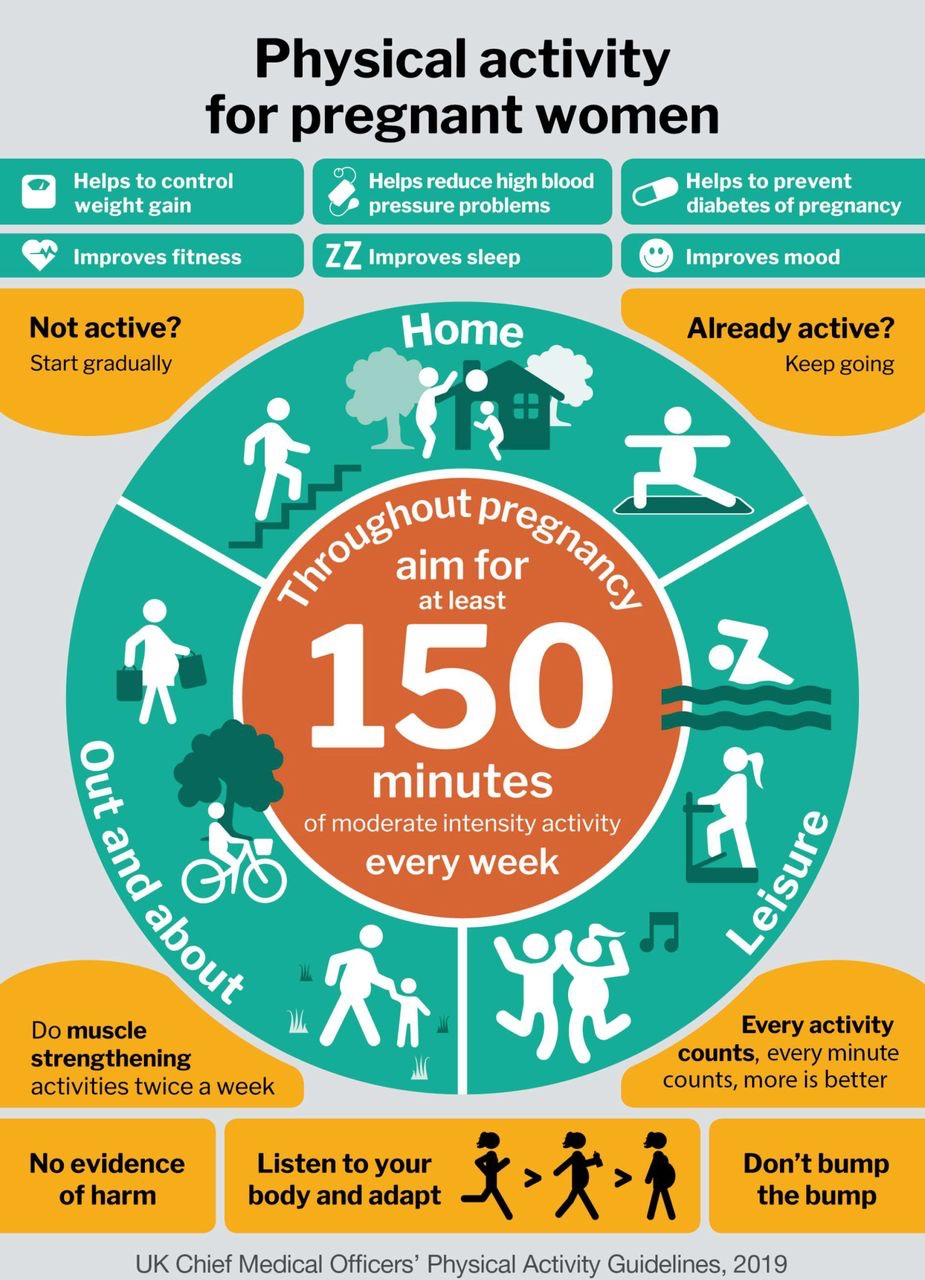
There is lots of information to take on board when you become pregnant. It’s important that you are aware of what this is so you know how to look after yourself and your baby. Your appointments with your midwife are very important and will cover various aspects of your care during pregnancy. As part of your appointments your midwife may talk to you about healthy lifestyle changes. All of this information can also be found on the Start 4 Life website Pregnancy webpage or by clicking on the images below.







You can also access support from Birmingham Forward Steps Antenatal and Pregnancy Offer where you can find out more about the antenatal services provided by your local children’s centre.
As soon as you know you are pregnant you are entitled to take Healthy Start Vitamins. The Healthy Start Vitamins are free for all Birmingham women and children and provide pregnant and breastfeeding women with folic acid and vitamins C and D. You can also check your eligibility for the Healthy Start card. The Healthy Start card is a free prepaid MasterCard to spend on cow’s milk, plain, fresh, frozen and tinned fruit and vegetables, fresh, dried, and tinned pulses and infant formula.
For more support and information subscribe to the Start 4 Life newsletter where you will receive weekly updates on your pregnancy timeline. You can also download the Baby Buddy app by Best Beginnings which provides trusted, evidence-based information and self-care tools, based on the latest research and is NHS-approved.

Breastfeeding and Feeding your Baby
Breastfeeding is widely promoted as the best choice for infants, and it is recommended to exclusively breastfeed for the first 6 months of an infant’s life. This is because there is lots of evidence to show the benefits of this feeding method.
Breast milk is perfectly designed for baby as it has all the nutrients it needs. It is also available for your baby whenever your baby is hungry and it can build a strong emotional bond between mum and baby. Breastfeeding also offers a lot of protection against illnesses for both mum and baby, these include:
| Baby | Mum |
|---|---|
| Protection against:
• Infection | Protection against:
• Breast cancer |
There is lots of support available to enable new mothers to breastfeed and to overcome common struggles and barriers. Click on the images below from Start 4 Life for more information:


Your local Children’s Centre will also provide breastfeeding groups, one to one support and a virtual breastfeeding lounge. To find out where these are and for more information please visit Birmingham Forward Steps Community Breastfeeding Support. If you require information on mixed feeding and bottle feeding please visit Feeding your baby or you can also talk to your midwife and health visitor for more information.
From 6 months of age babies will be ready to begin weaning. For more information please visit Start 4 Life’s Weaning webpage or our own Startwell Weaning page and contact your local children’s centre to find out about weaning workshops or one to one support. Your Health Visitor will also be able to answer questions around weaning and feeding concerns in between your core appointments. To speak to a Health Visitor you can visit a Baby Club or Baby Clinic, contact your local Children’s Centre to find out where and when these are held. If you are an Early Year’s practitioner or a Health Visitor please book onto Startwell’s free Weaning training for the latest guidelines.
Postnatal Weight Management
After the birth of your baby you will be invited for a 6 week postnatal check. This appointment is to make sure you are feeling well and are recovering properly. As part of this appointment, you may be weighed and encouraged to lose weight. This can be achieved by continuing to follow a healthy diet alongside safe, gentle exercises until you feel ready to actively lose weight. The Royal College of Obstetricians and Gynaecologists have a patient information leaflet which explains the reasons for weight management during and after pregnancy in more detail. It is important that you seek advice from a healthcare professional to discuss how to lose weight safely after childbirth and to ensure you have a realistic expectation of the time it will take to lose weight gained during pregnancy.
The Better Health website has information on a range of tools and services to help adults with losing weight. These include a free NHS Weight Loss Plan app and special offers for joining a range of weight loss services. You can also check your eligibility for joining the NHS Digital Weight Loss Programme.
Weight loss tools and services will guide you through making healthy eating changes and help you to become more active. If you would like more information about physical activity after having a baby visit Keeping fit and healthy with a baby and Breastfeeding and exercise. For local services, Birmingham residents are entitled to free and discounted leisure activities across the region, find out more by visiting Be Active and Passport to Leisure Schemes. You can also download the Couch to 5k and Active 10 app.




Perinatal Mental Health
Looking after your mental health during and after your baby is born is just as important as your physical health. There is lots of information to take in when you are planning for a baby and it is easy to forget about yourself and how you are feeling. Remember to try to put some time aside for techniques that help you feel calm, relaxed and happy, here are some Top Tips to Improve your Mental Wellbeing.
To find out more about the range of perinatal mental health problems visit Mind. If you are concerned about how you are feeling and would like to talk to someone visit Birmingham and Solihull Mental Health NHS Foundation Trust where you can find details on how to speak to someone by phone or webchat.
Being a role model for your children
By looking after your own health you will become a good role model for your child as they will be learning healthy habits by copying your behaviours. Our Suzy Startwell Character is our role modelling character which encourages parents and practitioners to demonstrate healthy behaviours around children. Find out more by visiting Suzy Startwell.


Partners

Facebook Posts

This is the sixth and final week of our 6 week Startwell summer holiday challenge. Enjoy running and rolling with Sammy Skills and have a go at making lunch with Fay 5 a day. We hope that you have enjoyed all of the activities over the last 6 weeks and have had a great summer. startwellbirmingham.co.uk/wp-content/uploads/2025/07/6-Week-Summer-Challenge-Poster.pdf
Thanks to those who came along to our Startwell Characters and Messages Training on the 19th August. Take a look at some of the feedback from this training!![]()
![]() Our training is free and available to early years practitioners within Birmingham. To see what training we have available: startwellbirmingham.co.uk/training-dates/
Our training is free and available to early years practitioners within Birmingham. To see what training we have available: startwellbirmingham.co.uk/training-dates/